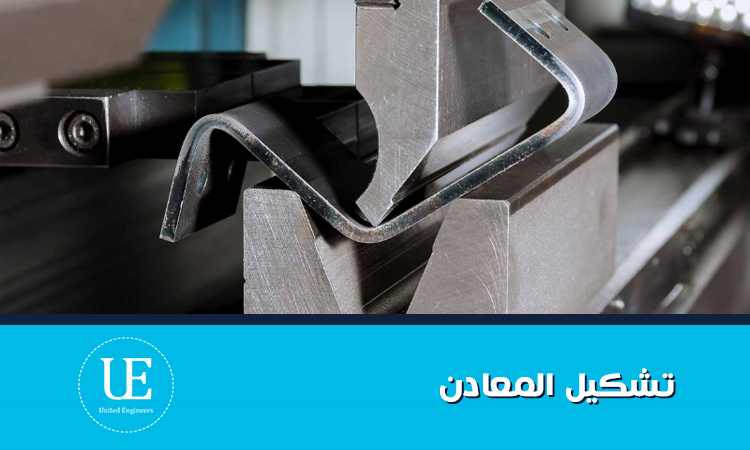
metal forming Guide: Types, Processes & Industrial Solutions
In the rapidly evolving landscape of modern manufacturing, the demand for precision, durability, and efficiency is higher than ever. Metal forming stands as the backbone of this progress, bridging the gap between raw materials and high-performance engineering components. Whether you are a mechanical engineer, a procurement specialist, or a student looking for a metal forming book to understand the basics, this comprehensive guide will walk you through the intricate world of metal transformation.
At its core, the metal forming process is more than just reshaping materials; it is about enhancing the structural integrity of products that power our daily lives—from the cars we drive to the medical devices that save lives.
What is Metal Forming? Understanding the Core Process

Metal forming refers to a group of manufacturing processes in which plastic deformation is used to change the shape of metal workpieces. Unlike machining, which removes material to reach a final shape, a Sheet Metal Fabrication Services redistributes the material without losing mass. By applying mechanical force that exceeds the yield strength of the metal, engineers can create complex geometries with minimal waste.
Why Metal Forming Matters
If you were to browse a metal forming pdf or technical manual, you would find that these processes are favored because they often improve the mechanical properties of the part. The grain structure of the metal is realigned to match the shape of the part, resulting in superior strength compared to cast or machined alternatives.
Exploring the Main Types of Metal Forming
To master industrial production, one must understand the various types of metal forming. These are generally categorized based on the temperature at which the process occurs and the nature of the force applied.
1. Sheet Metal Forming
Perhaps the most versatile category, sheet metal forming involves working with thin, flat pieces of metal. It is the primary method for creating enclosures, automotive panels, and aircraft skins. Techniques within this category include bending, stretching, and deep drawing.
2. Bulk Metal Forming
This involves larger volume-to-surface area ratios. Common metal forming examples in this category include:
- Forging: Hammering or pressing metal into shape.
- Rolling: Passing metal through rollers to reduce thickness.
- Extrusion: Pushing metal through a die to create long, uniform profiles.
Advanced Technologies in Metal Processing
The modern factory floor is defined by the metal forming machine it utilizes. Precision and speed are the two pillars of current technology, especially when integrated with CNC (Computer Numerical Control) systems.
Laser and Fiber Laser Services

A fiber laser machine has revolutionized the industry. It offers high-speed execution and surgical precision that traditional methods cannot match. These machines are ideal for cutting various sheet metal forming materials like stainless steel, aluminum, and carbon steel with accuracy down to fractions of a millimeter.
Wire EDM (Electrical Discharge Machining)
When standard tools fail to achieve the required tolerance, Wire EDM takes over. This technique uses an electrically charged thin wire to "cut" through metal, making it an essential part of the metal forming process for high-precision molds and dies.
Waterjet and Plasma Cutting
- Waterjet Cutting: Ideal for heat-sensitive materials, using high-pressure water mixed with abrasives.
- Plasma Cutting: Best for electrically conductive metals, offering high speed for large-scale industrial projects.
The Role of Temperature: Hot vs. Cold Forming
Choosing between hot and cold techniques is a critical decision in any metal forming book or engineering strategy.
Hot Metal Forming
This process involves heating the metal above its recrystallization temperature.
- Advantages: It makes the metal more malleable, allowing for the creation of complex, large-scale shapes without the risk of cracking.
- Applications: Heavy machinery parts and thick structural components.
Cold Metal Forming
Performed at room temperature, this method relies on massive mechanical or hydraulic pressure.
- Advantages: It provides exceptional dimensional accuracy and a superior surface finish. It also increases the metal's strength through "strain hardening."
- Applications: Precision equipment, electronic components, and high-quality sheet metal forming projects.
Specialized Machinery: Hydraulic and Eccentric Pistons

The heart of any production line is the hydraulic press machine. At United Engineers, we utilize a range of specialized equipment to meet diverse industrial needs:
- Hydraulic Presses: These machines use fluid pressure to generate massive, uniform force. They are the "gentle giants" of the industry, perfect for deep drawing and heavy-duty bending where a smooth, controlled stroke is required.
- Eccentric Pistons: For high-speed production, eccentric presses (ranging from 40 to 80 tons) are the go-to choice. They are highly efficient for punching and repetitive forming tasks, ensuring that large batches are completed with zero variance in quality.
United Engineers: Leading the Metal Forming Industry in Egypt
The industrial landscape in Egypt is growing rapidly, and United Engineers stands at the forefront of this expansion. As a premier provider of metal forming solutions, the company integrates decades of local expertise with global technological standards.
From complex sheet metal forming to robust hot-forming applications, United Engineers provides:
- Precision Engineering: Every project is handled with a "no room for error" mindset.
- Integrated Solutions: We don't just form metal; we help design the molds, select the right materials, and ensure the final product meets international quality standards.
- Versatility: Whether you need a single prototype or a mass-production run of thousands, our facility is equipped to handle it.
Summary Table: Comparison of Metal Forming Techniques
|
Technique |
Best For |
Precision Level |
Material Waste |
|
Fiber Laser |
Complex designs, thin sheets |
Extremely High |
Very Low |
|
Forging |
High-strength structural parts |
Moderate |
Low |
|
Deep Drawing |
Hollow shapes (cups, cans) |
High |
Minimal |
|
CNC Bending |
Angles and enclosures |
High |
Zero |
|
Extrusion |
Constant cross-sections |
High |
Moderate |
Looking Ahead: The Future of Metal Forming

As we move toward Industry 4.0, the metal forming process is becoming more data-driven. Smart sensors on a metal forming machine can now predict maintenance needs and adjust pressure in real-time to account for slight variations in metal batches. This level of control ensures that the metal forming examples we see today—like lightweight electric vehicle frames—are stronger and more efficient than ever before.
For those interested in the academic side, searching for a metal forming pdf from reputable engineering journals will reveal the shift toward "Simulation-Based Forming," where computer models predict how a metal will behave before the first press is even activated.
Why Precision is Non-Negotiable
In sectors like automotive or aerospace, a deviation of a few microns can lead to catastrophic failure. This is why professional metal forming is essential. By choosing a partner like United Engineers, you are not just buying a service; you are investing in the durability and safety of your final product.
Our facility in Egypt utilizes the latest in types of metal forming technology, ensuring that every curve, every punch, and every bend is executed with mathematical perfection.
Elevate Your Manufacturing Quality Today
Are you ready to transform your industrial designs into high-quality reality? Whether you are dealing with stainless steel, aluminum, or specialized alloys, the right metal forming partner makes all the difference.
At United Engineers, we pride ourselves on being the bridge between your engineering vision and a tangible, high-performance product. Our team of experts is ready to assist you in selecting the perfect metal forming process for your specific application.
Take the Next Step
Don't settle for "good enough." Aim for perfection in every component you produce